A fixed desk and a height-adjustable desk can both be suitable for a school. The useful comparison starts with the rooms, pupil sizes and likely changes over the furniture's service life. Unit price alone leaves out the work of setting, moving and maintaining the furniture.
This worksheet does not assume a saving from either option. It identifies the figures to request before making that claim.
Keep the product scope the same
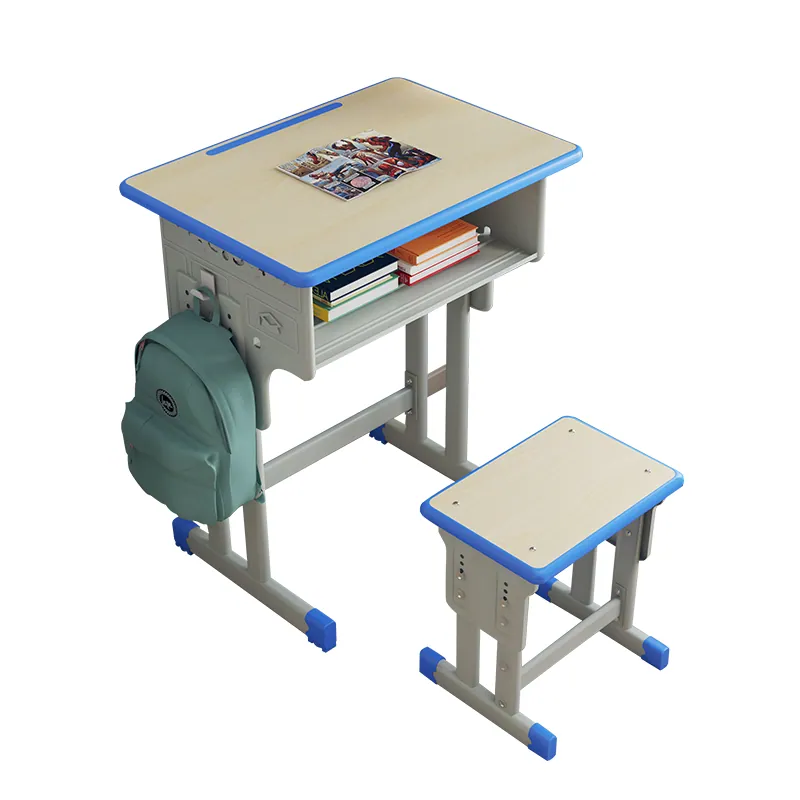
The catalogue lists A001 as a height-adjustable desk-and-stool set with a 60 × 40 × 1.5 cm MDF desktop. A fixed alternative should be quoted with comparable seating, board, frame finish, hardware and packing. A desk-and-chair offer introduces another difference and needs its own comparison line.
The desktop dimensions above are a catalogue reference, not the desk-height range or a guaranteed specification for every order. Confirm the required table and seat settings in the quotation.
Where an offer uses shared desks, record the number of pupil places supplied. Use that number when comparing it with an individual desk-and-seat arrangement.
Start with the school's room schedule
Collect the pupil-size requirements, number of places per room, intended replacement period and expected room changes. Then establish who will set the furniture heights and who will check the settings after installation.
A school that regularly reallocates rooms may have a use for an adjustable frame. A school with stable size requirements may prefer a fixed setting. Neither situation provides a savings figure until the quantities and associated costs are entered.
| Cost input | Fixed option | Adjustable option |
|---|---|---|
| Pupil places and pieces per set | Use the same room schedule | Use the same room schedule |
| Quoted purchase cost | Quote the required sizes and quantities | Quote the required settings and quantities |
| Spares and replacement parts | Record parts and prices supplied | Include adjustment and locking parts where applicable |
| Freight and delivery | Use the actual packing and shipping quote | Use the actual packing and shipping quote |
| Installation | Record assembly and placement work | Include initial height setting and verification |
| Later room changes | Estimate moves and any additional sizes needed | Estimate resets, moves and setting checks |
| Maintenance over the chosen period | Use the school's plan and supplier's parts prices | Use the same period and a comparable maintenance plan |
Use the quoted total plus costs excluded from that quote, then add the school's planned installation and maintenance costs. Divide by the same number of pupil places. Keep the currency and evaluation period identical, and avoid adding freight twice when it is already included in a delivered quotation.
Do not count a future saving unless there is an identifiable cost being avoided, such as an additional purchase of another size or a documented handling task. A claim that adjustment “pays for itself” needs those inputs.
Check the mechanism on the sample
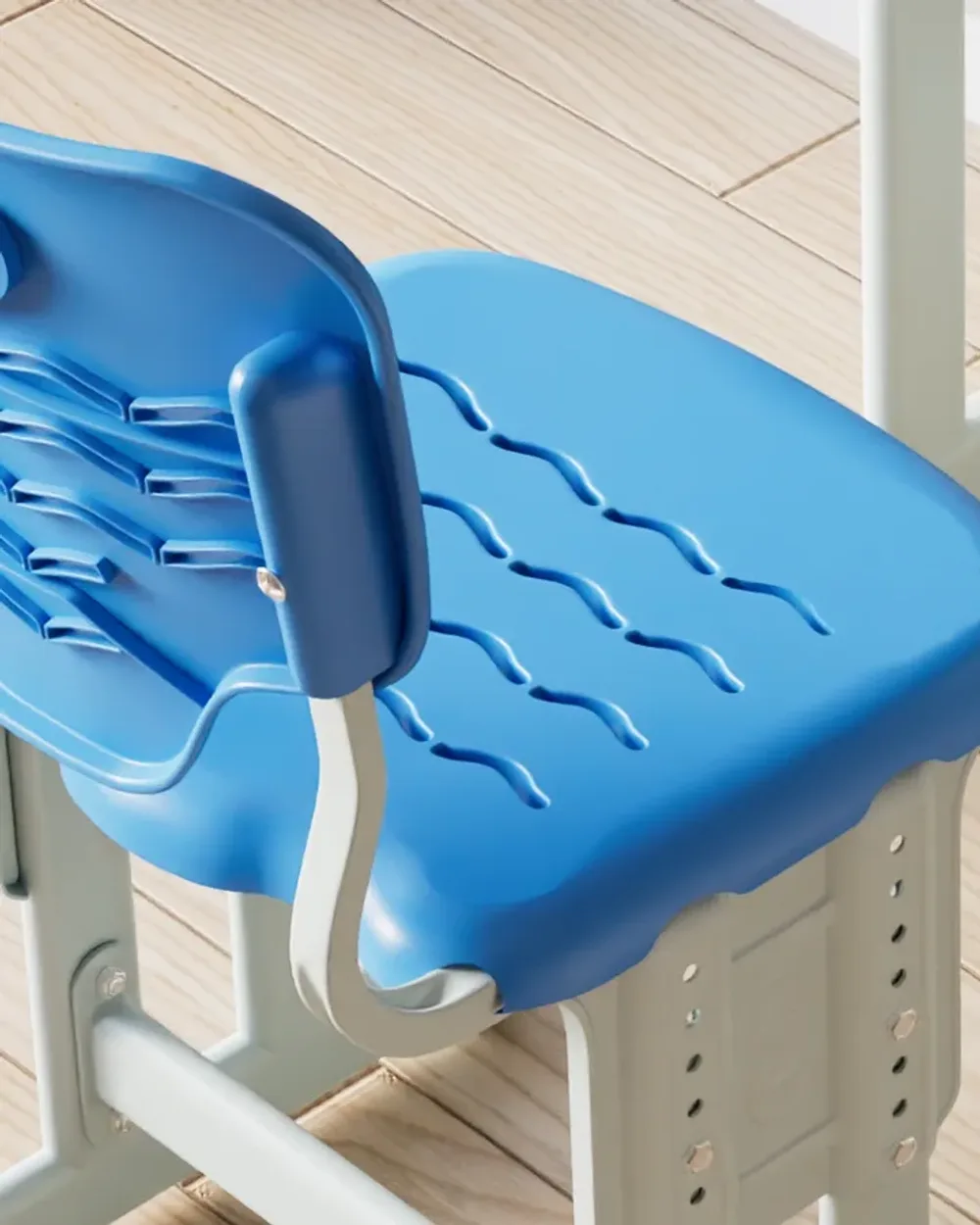
Ask the supplier to identify the adjustment method, usable settings, locking parts and assembly instructions. Set the sample to the height required by the room schedule and verify both the table and the seating. Agree any stability or load testing with the supplier or inspector using a defined method; improvised loading does not establish compliance.
Record the approved setting, how it is marked and which tools or replacement parts the school will need. These details belong in the sample approval record, alongside the product specification.
When the figures are complete, compare total cost, available settings and the school's ability to maintain them. If either offer omits a cost, retain it as an open item rather than treating the missing figure as zero.