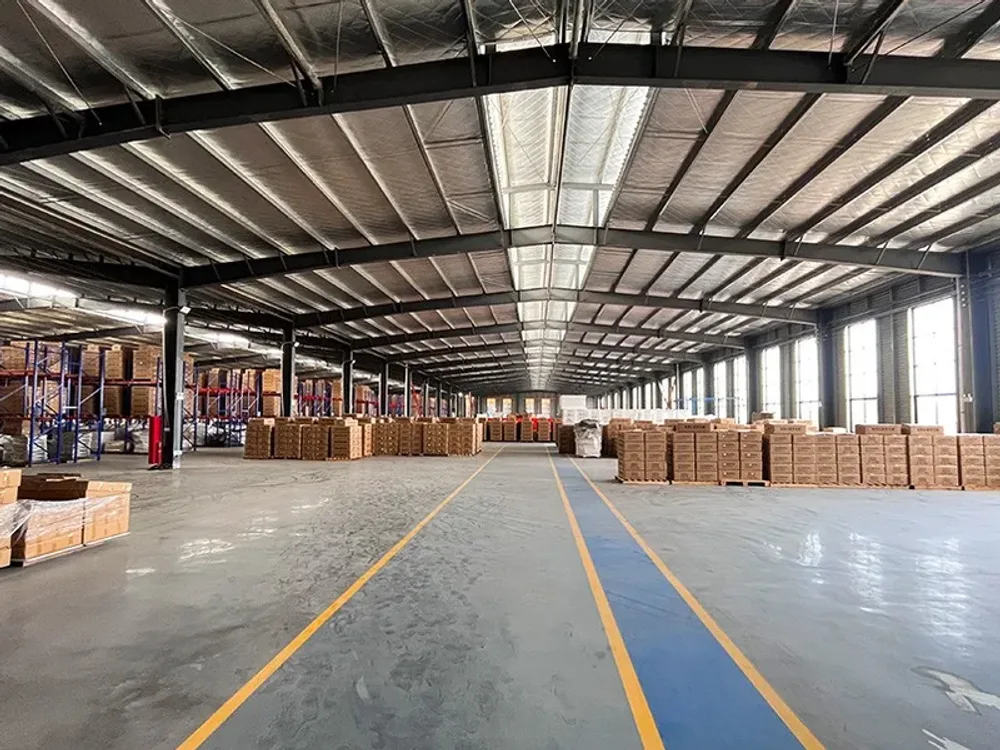
Keep four approvals in the order file: the quoted specification, the sample, the finished production batch and the dispatch record. Each answers a different question. A photograph of a sample, for example, does not establish the quantities or condition of a later shipment.
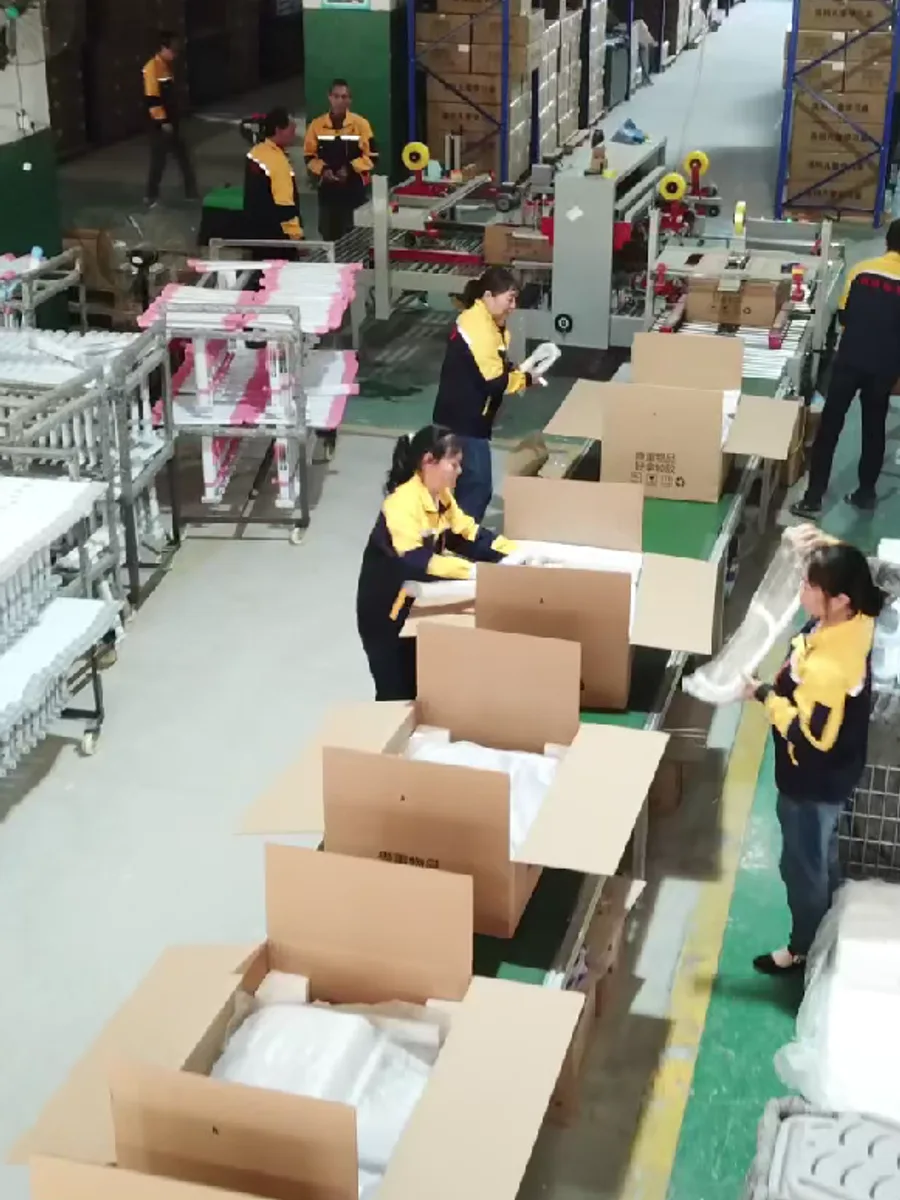
Our photograph above shows packing work. For a specific purchase, ask for the inspection and packing records associated with that order.
1. Approve the specification that will be sampled
Identify the model, quantities, colours, dimensions, material, seating supplied, hardware and packing. For a school project, include the required table and seat settings by room.
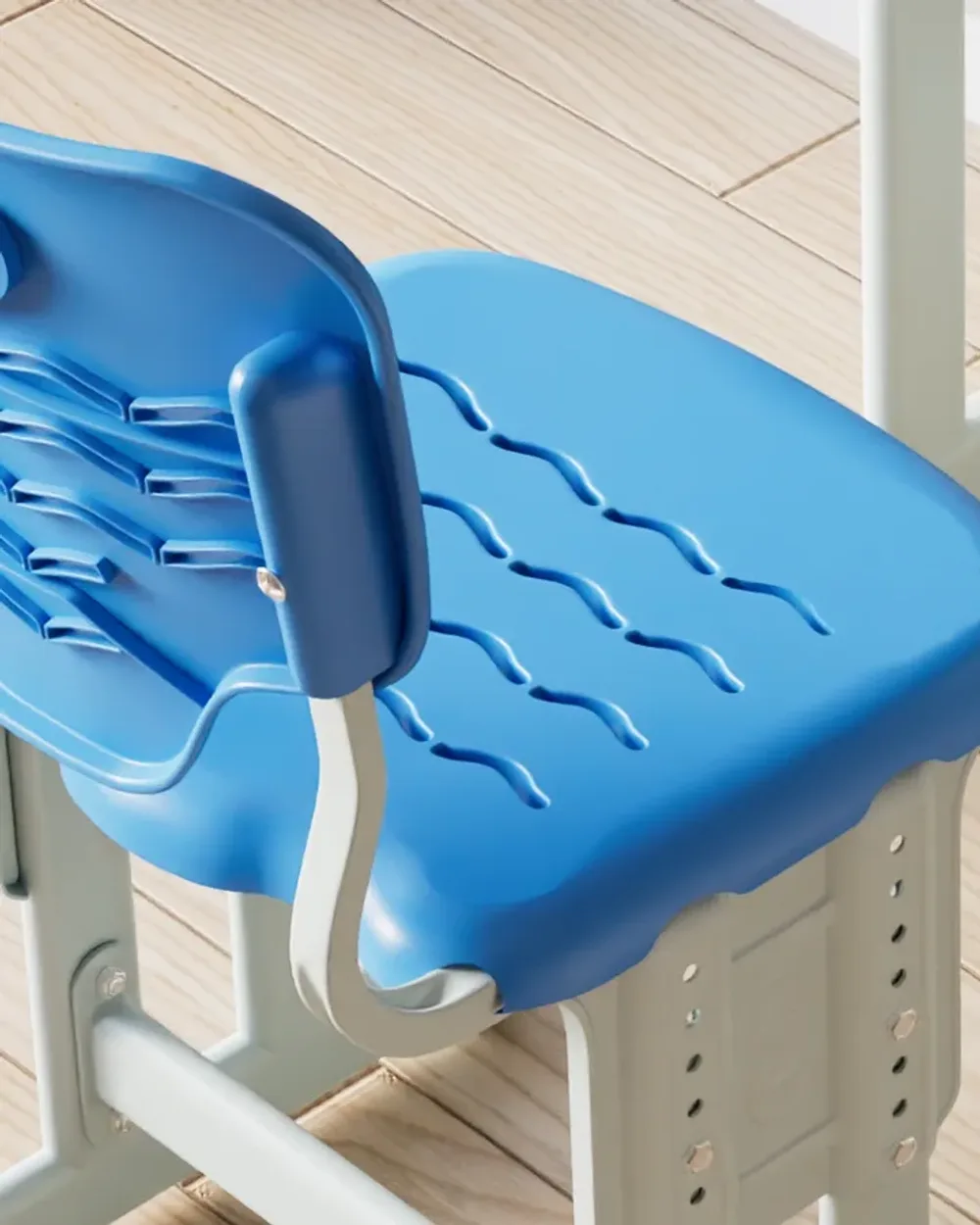
Reference images need a date or revision. The C-shaped two-seat set is pictured with two perforated-backrest chairs and a lower crossbar. If that is the required configuration, keep that image with the order rather than approving an older image with different chairs.
Sample charges and freight arrangements should be stated in the sample quotation. Our published trade terms specify charged samples with buyer-paid freight; confirm the details for the requested model before payment.
2. Approve and identify the sample
Record who reviewed it, the date, the model or reference and any agreed changes. Retain the approved specification revision with the sample photographs. Keep a physical reference sample where practicable, and identify it so that it can be matched to the order later.
| Sample check | Record to retain |
|---|---|
| Desk and seating configuration | Overall photographs and set contents |
| Dimensions and height settings | Measurements against the agreed drawing or room schedule |
| Board, frame and visible joints | Specification plus relevant detail photographs |
| Finish | Approved colour or texture reference and agreed coating evidence |
| Assembly and adjustment | Instructions, supplied hardware and checks completed |
| Packing | Carton contents, protection and approved shipping marks |
List any changes that remain outstanding. If the sample has a different finish or component from the intended production version, record the difference explicitly and agree how it will be approved.
3. Inspect the production batch before dispatch
Agree the inspection timing, sampling plan, checks, acceptance criteria and authority to release the shipment before production is complete. Use a qualified inspector where the order or tender requires one.
The report should identify the order, batch and models examined. Include results for the selected quantities, dimensions, assembly, hardware, finish and packing checks. Where a standard or laboratory test is required, retain the relevant evidence separately; a visual inspection is not a substitute.
An unresolved deviation needs a recorded disposition: correction, replacement, an agreed concession or a further inspection. Keep the buyer's decision with the report.
4. Record packing, loading and arrival
Reconcile the packing list with the approved order. For container shipments, agree records of carton marks, the loading sequence, container identification, seal number and dispatch condition.
Loading photographs support that record. They do not, by themselves, prove the contents of every carton or compliance of every item. Retain the packing list and inspection report as well.
At arrival, check the shipment against those documents and record visible damage before packaging is discarded. Photograph the affected carton marks and items so that a discrepancy can be traced to the relevant order line.
Our published standard-range production lead time is 25 days after deposit. Sample review, outstanding approvals, inspection bookings and vessel arrangements still need agreed dates in the order schedule. Confirm those dates with the quotation; the production lead time is not the arrival date.