An edge is where a desk stops being a flat board. It is also the first place a customer notices a difference between two quotations that look identical in a photo.
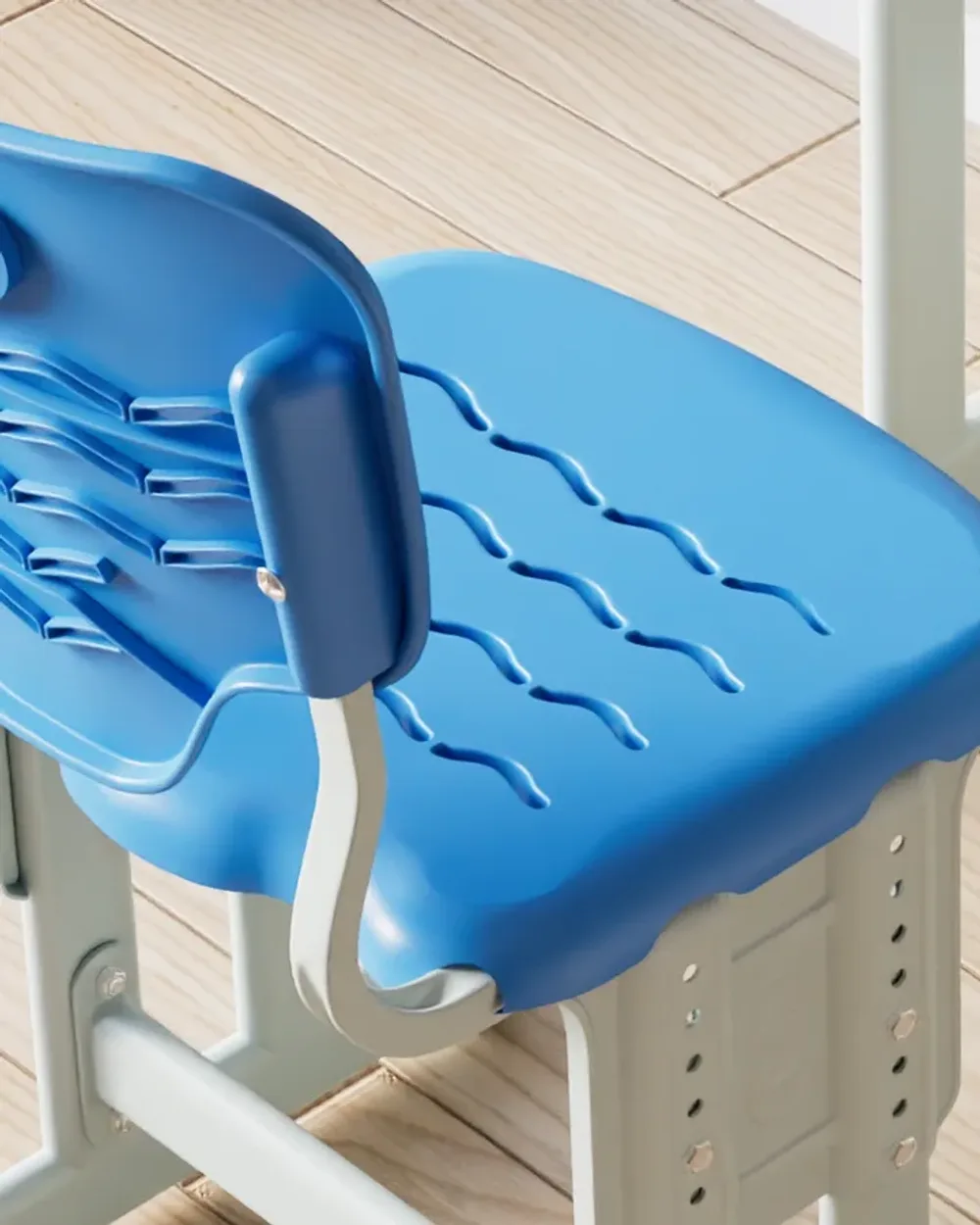
Two things get confused here. One is the edge treatment applied to a board panel. The other is the moulded plastic shell of a seat, backrest or desktop that has no band at all. Both need to be named in the specification, because they fail differently.
Name the construction, not just the finish
A banded panel and a moulded part are different products with different production requirements. Banding is applied to a cut board edge and fixed with adhesive under pressure. A moulded shell is produced as one piece in a tool, so its edge, its radius and its fixing points come out of the same operation.
Ask the supplier to state which construction each relevant part uses. If the answer is only a colour or a thickness, the specification is not complete yet.
What a board edge has to withstand
A school desk edge takes knocks from chairs, cleaning and moving. On a board panel the band protects the raw core of the board, which is the part that absorbs moisture when the surface is broken.
Four questions decide whether an edge will hold up:
- What is the band made of? Common choices in school furniture are PVC, ABS and polypropylene. Each has a different behaviour at a corner, a cut end and a fixing hole.
- How thick is it, and how is it cut? The band should match the panel thickness so it does not stand proud or leave a step on the underside.
- How are the corners finished? A mitred corner and a butted corner behave differently once a screwdriver goes through it.
- How are fixings made? Screws and confirmat through a band put the fixing point in the adhesive line. The supplier should know where those fixings sit before the panel is banded.
Why a moulded plastic edge is a different argument
For a plastic seat, backrest or shell desktop, there is no band and no glue line. The shell is moulded, and what you are really specifying is the material of the shell itself and the geometry that comes with it.
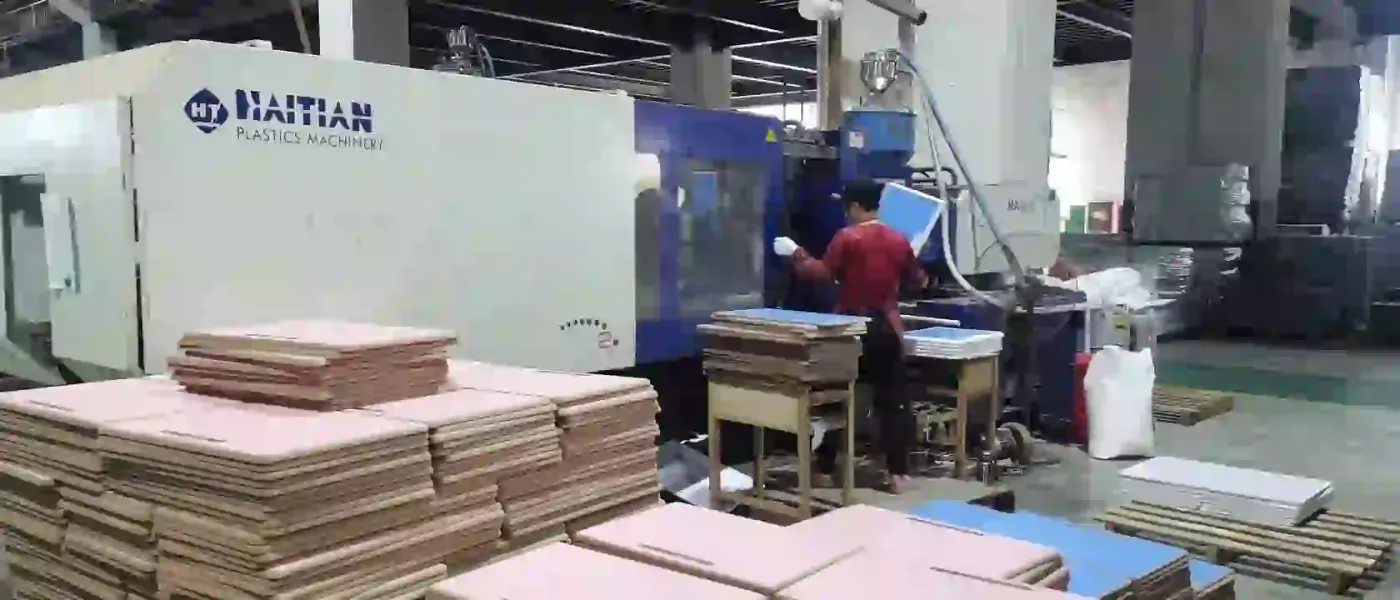
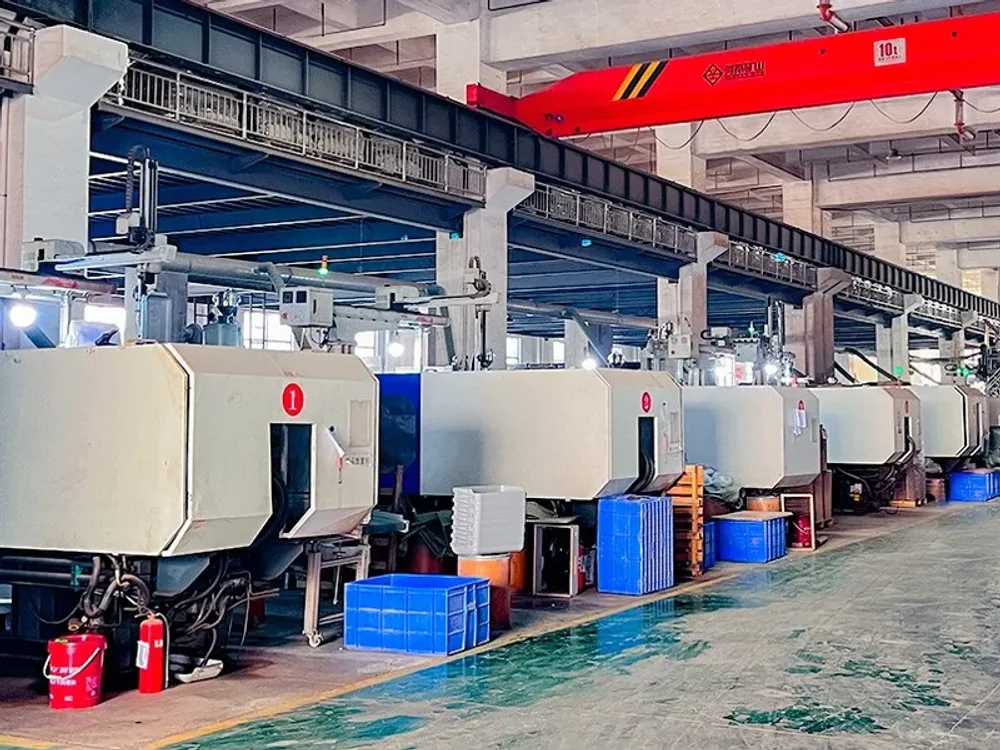
Injection-moulded parts also have characteristic features that only appear once the tool is open: a flash line at the parting line, a gate mark near a fixing, and a radius where the mould was designed to reduce stress. None of these are defects on their own. They become defects if they fall outside the drawing tolerance, and a buyer who has never seen a moulded part will not know to look.
The detail that gets skipped
The detail buyers most often miss is the fixing line. A panel edge is not only a visible surface. It is also where a bracket, a screw or a hinge attaches.
If the bracket is screwed into a banded edge, the screw passes through the band and into the board core. Two things then matter: how many fixings are used, and where they are positioned. A single fixing in a corner of a banded edge will pull that corner first. The same applies to a moulded shell with a single screw boss.
Ask for the fixing positions on the drawing, or at least on the approved sample. A supplier who can point to the fixing layout will normally also be able to say what happens if a fixing is moved.
A second detail, easy to overlook, is the underside. Bands are applied to the visible edges. The underside of a desktop is often left as raw board or as a routed surface. On a desk that is stored, stacked or moved, that underside is the surface that rubs.
What to record for each model
Use this list per model and per part. It is short enough to paste into a specification.
- Part name and whether it is a banded panel or a moulded part
- Board grade and thickness, or plastic material and finish
- Band material, thickness and corner method, if banded
- Fixing positions and the number of fixings per part
- Edge condition required at delivery: as-produced, sanded, or wrapped
- Any part of the edge that is visible in the finished product, photographed for reference
Check it on the sample, not on the screen
On the approved sample, run your hand along each visible edge. Look for a step where the band meets the surface, a lifted corner, a gap at a mitre and a transition you would catch a sleeve on. Then check the fixings: are they where the drawing says, and is there more than one where the part is under load?
Photograph the edge against a ruler. A close photograph with a scale turns a subjective impression into something receiving inspection can compare against.
Remove one fixing and look at what is behind it. If the answer is not clear, ask the supplier what the fixing pattern is meant to achieve.
One sentence that closes most edge questions
Ask: “For model X, which parts are banded panels and which are moulded, and what material is the band or the shell?” A clear answer means the specification can be written down and checked at receiving. A vague answer means the edge is going to be decided on the factory floor rather than in your order.
Send us your target market, quantity and standards, and we will confirm the part construction, board or plastic specification, and the fixings for the models you are quoting.