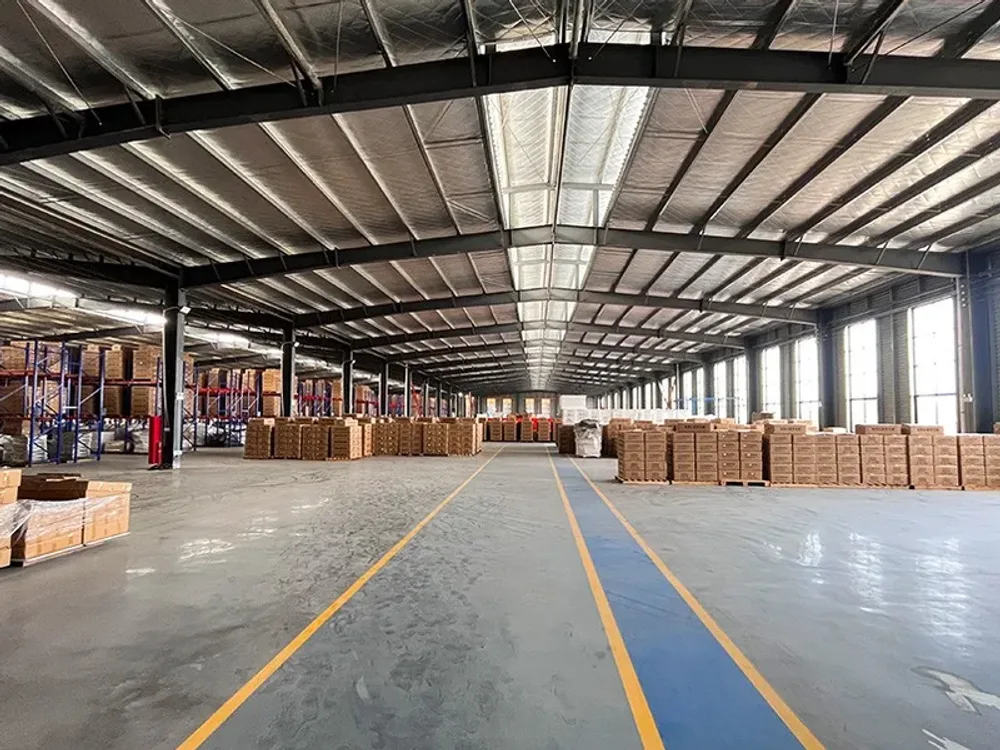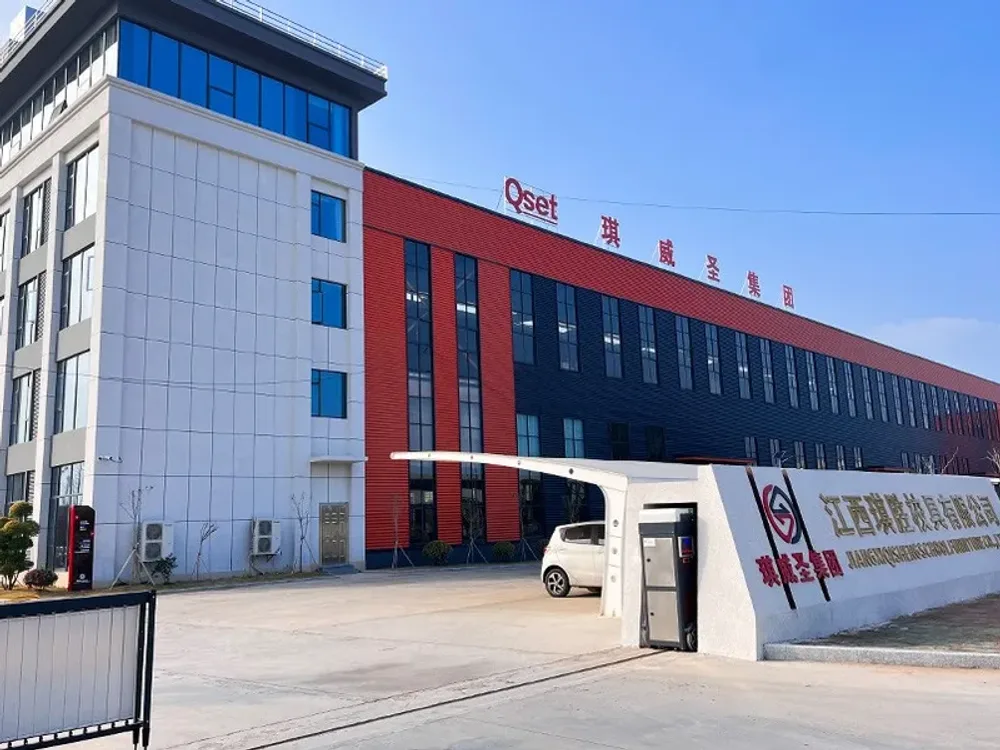
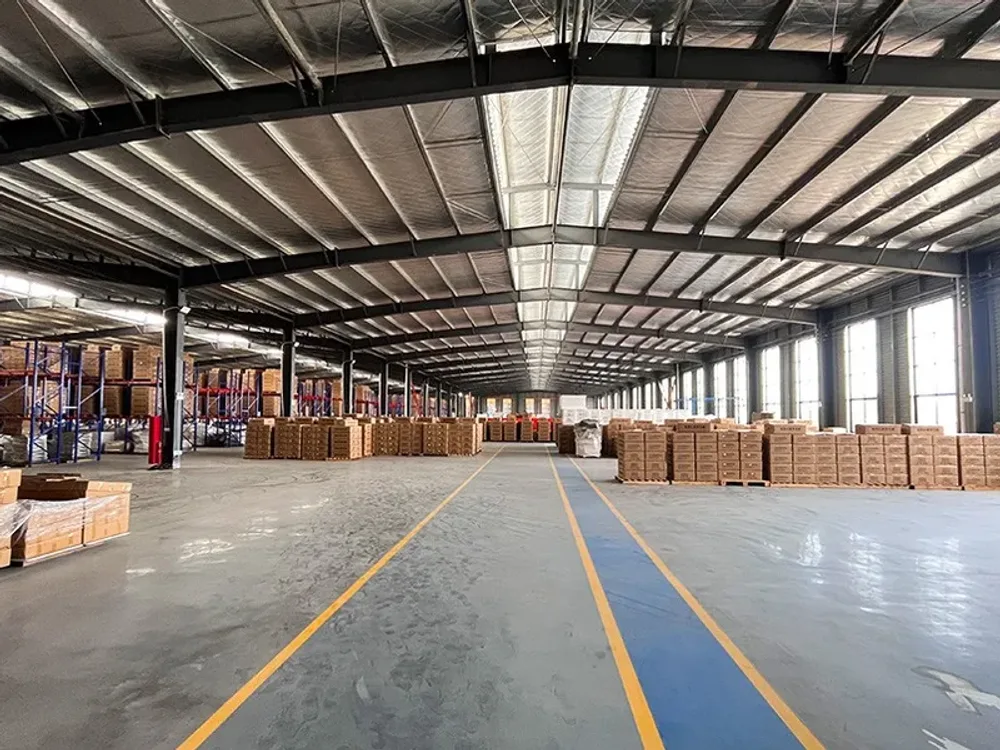
Five checkpoints sit between raw material and a loaded container. At each one, a specific thing is checked against a specific document. This page sets out what those checks are, what each one is designed to catch, and where their limits are.
The useful question for a buyer is not “do you inspect?” — every factory says yes. It is “what do you check, at which stage, and what happens when it fails?”
Checkpoint 1 — incoming material
Steel tube, board and plastic granules are checked when they arrive, before they enter production.
This is the stage where a substitution is easiest to hide and hardest to detect later. A cheaper board with the right thickness looks identical once it is coated and assembled. The checks here are specific: tube gauge and wall thickness against the specification sheet, board density and thickness with the surface condition before coating or edging, and granule specification for each injection moulding batch.
The practical output is a record against the delivery, not a note in a notebook. If the material does not match the specification, it does not enter the line.
Checkpoint 2 — steel fabrication and welding
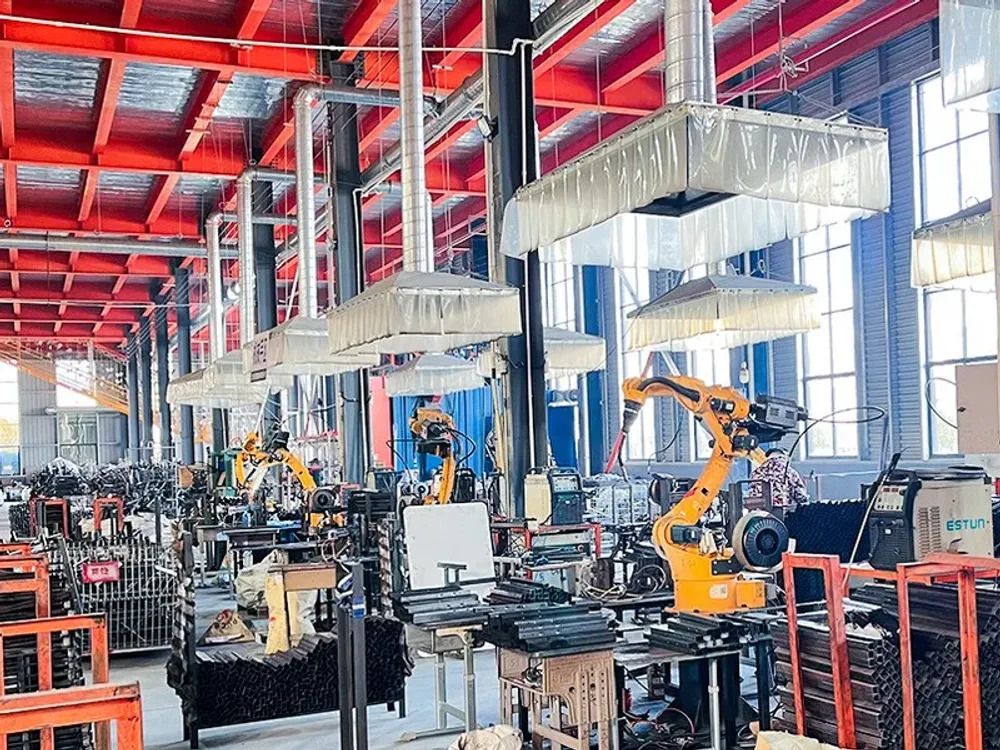
Frames are cut, formed and welded in-house. Repeated frames go through robotic welding cells, where a machine produces the same weld on frame one and on frame ten thousand. That repeatability is what stops the wobble buyers complain about after a term of use.
Three things are checked: frame squareness and consistency against the jig, weld penetration and finish on load-bearing joints, and the adjustment mechanism cycled before it moves on. The last one matters more than it sounds — a mechanism that binds after three adjustments is a warranty claim that could have been caught in the workshop.
Checkpoint 3 — powder coating
Parts run through our own powder-coating line on the overhead conveyor.
Coating is where a product looks fine in a photograph and chips at the weld in a classroom, so adhesion and coverage matter more than colour. The checks are pre-treatment and surface cleanliness before coating, coverage on edges, welds and inside corners rather than only on the visible faces, and cure condition before parts are handled.
The inside corner is the one that gets missed on a busy day and the one that shows after a year of use.
Checkpoint 4 — moulding and assembly
Plastic parts are moulded in-house, then frames, boards and mouldings are assembled on the same site.
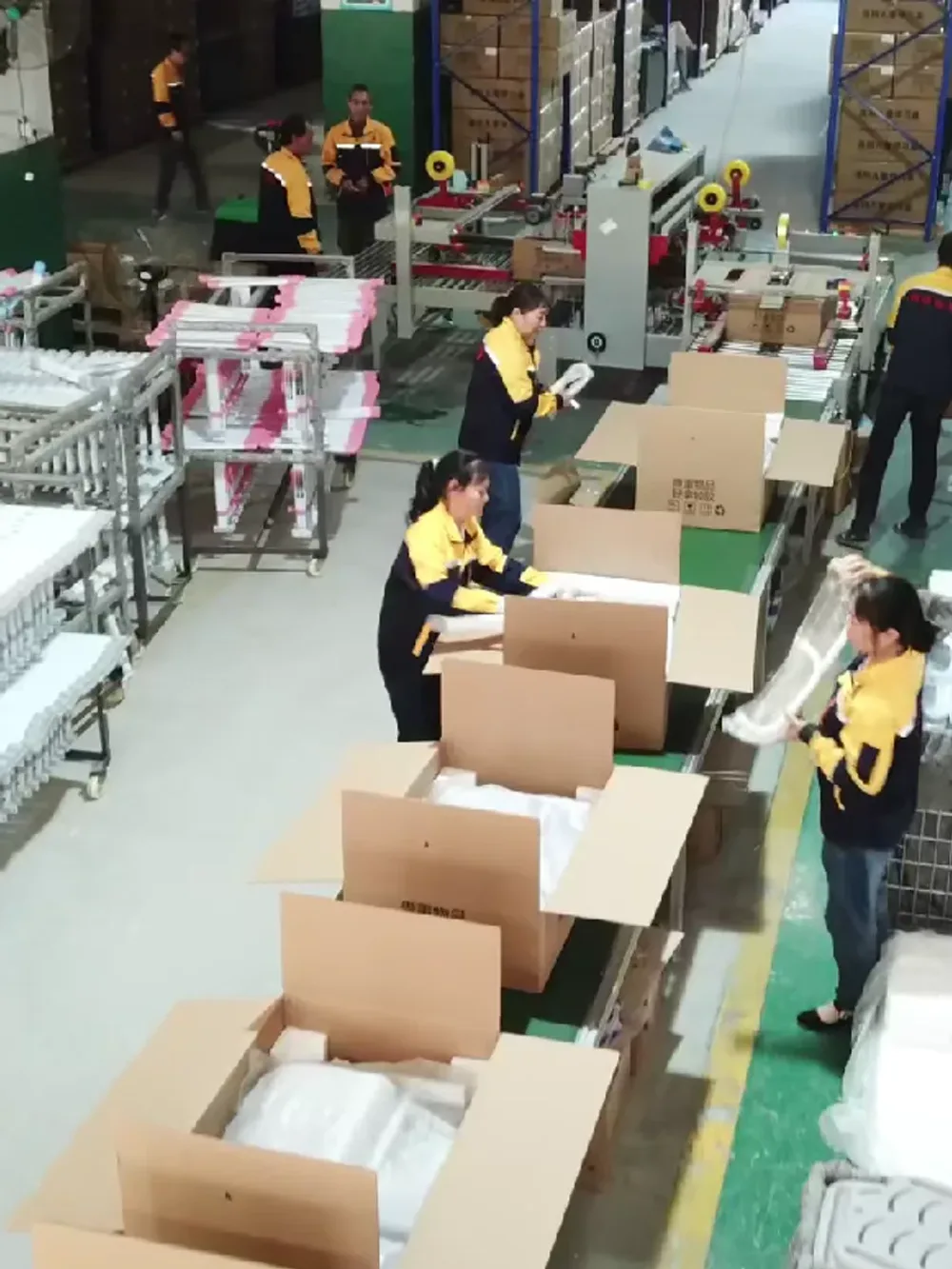
Keeping this in one plant is what makes a defect traceable: a problem found at assembly is traced back the same day, rather than passed between suppliers and argued about. The checks are moulding dimensions, colour match and flash on seating and desktop parts; assembly fit, hardware torque and mechanism function; and the hardware count and packing accessories per unit.
That last check is small but it prevents a common frustration. One buyer told us the product quality was good but the instruction manual was missing from the carton. That is exactly the kind of thing this checkpoint exists to catch, and we now include instruction sheets in the packing list.
Checkpoint 5 — pre-shipment check
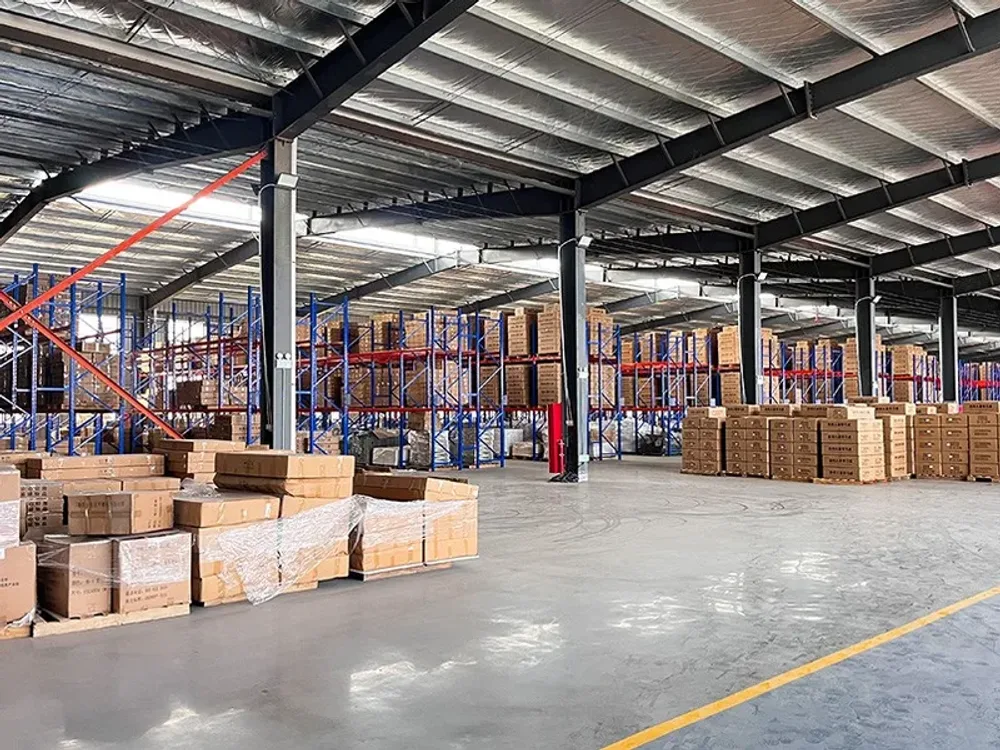
Before packing, units are pulled and checked on our own routine.
Load, stability and surface condition are the three things that decide whether a product survives the first term in a classroom. The checks are load and stability on the assembled unit, surface and coating inspection across a sample of the run, and packing drop and carton condition with shipping marks checked against the order.
Where these checks stop
It is worth being clear about the limits, because a supplier who overstates their inspection is harder to work with than one who does not.
We do not run accredited laboratory testing in-house. Standards that require it — the chemical parts of EN 71, CPC, ASTM and similar — go to third-party laboratories. We will tell you plainly which ones your order needs.
We do not sell a certificate in place of a test. If your market requires testing, the test gets done.
We do not publish a blanket defect rate. What we offer is a sample you can test, an inspection you can arrange, and a specification sheet we hold production against.
Photographs are evidence of a moment, not of a run. A photo of one good unit says nothing about the batch. If you want batch evidence, agree the method, sample size and acceptance criteria in writing before production, or send an inspector.
Third-party inspection is welcome
If your buying process requires an inspection agency — SGS, BV, TÜV, Intertek or your own QC staff — tell us at order confirmation so production can be scheduled around the visit. If you want the approved sample held as the inspection standard, say so when you order; we keep it, and the inspector has something objective to measure against.
Send us your target market, quantity and standards, and we will confirm what we check ourselves, what needs a third-party laboratory, and how that changes the schedule for your order.